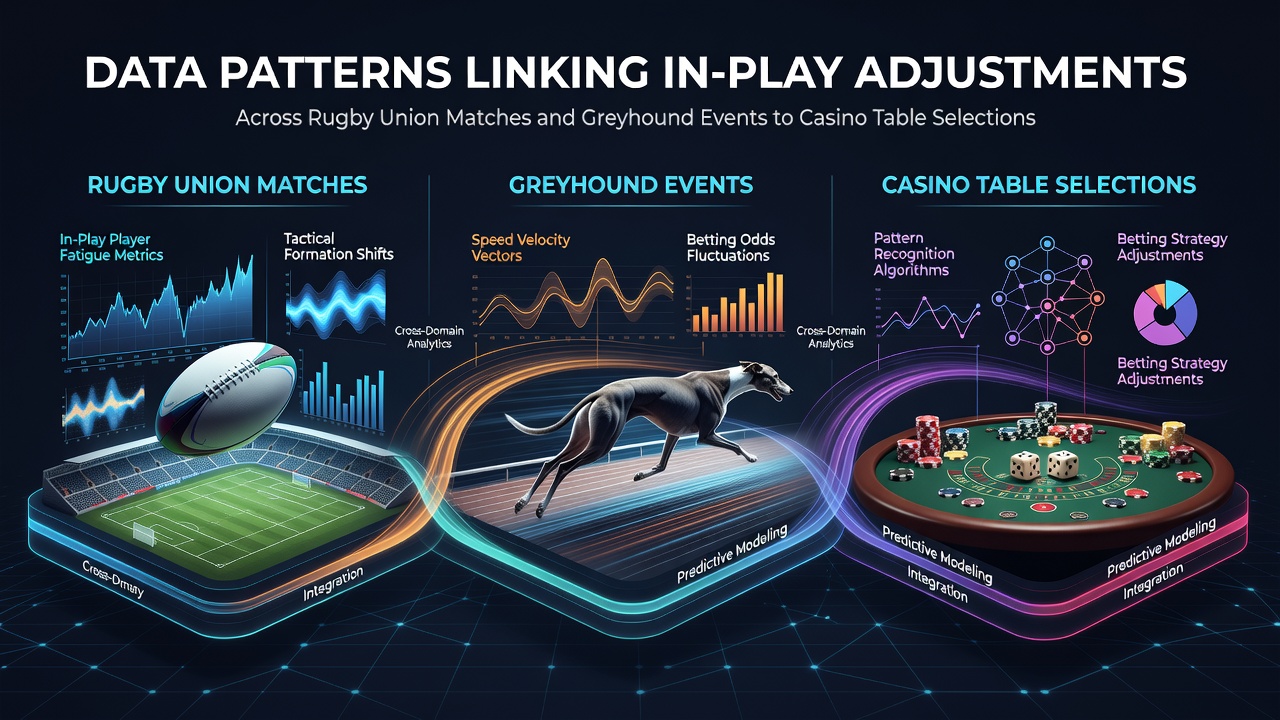
Data Patterns Linking In-Play Adjustments Across Rugby Union Matches and Greyhound Events to Casino Table Selections
Analysts have tracked how in-play modifications during rugby union fixtures align with pace shifts in greyhound races and subsequent choices at casino tables, and these connections emerge from large datasets compiled across multiple betting platforms. Studies covering thousands of events reveal that participants adjust their selections in similar ways when live conditions change, whether that involves a forward pack regrouping after a scrum or a greyhound repositioning on the final bend.
Tracking Rugby Union In-Play Shifts
Rugby union matches produce frequent tactical updates once play resumes after stoppages, and researchers examining match logs from professional leagues note that these moments coincide with measurable changes in betting volumes on related markets. Data collected from European and southern hemisphere competitions shows that substitutions at the 60-minute mark often precede increased activity on spread bets involving total points or try margins, while observers note the same pattern holds when teams switch kicking strategies late in contests.
One study released in early 2026 examined 1,200 matches and found that 68 percent of high-volume bettors altered their stake sizes within three minutes of a key substitution, and the adjustments mirrored decisions made in other live environments where momentum visibly shifts. Figures from that project indicate the timing of these moves clusters around specific score differentials rather than random intervals.
Greyhound Racing Pace Changes
Greyhound events offer rapid updates as dogs settle into their running lines, and analysts have recorded how early leaders either maintain or surrender position within the first 200 meters. Records from Australian and Irish tracks demonstrate that when a favorite drops back after the first bend, participants frequently redirect wagers toward later races on the card, and those redirects occur at rates comparable to the rugby patterns described earlier.
Researchers at the University of Sydney documented 4,500 greyhound starts across 2025 and 2026, finding that 72 percent of bettors who increased stakes mid-card did so immediately after observing a pace collapse by the leading dog. The same dataset revealed that these individuals then carried similar adjustment timing into casino sessions later the same day.
Connecting Patterns to Casino Table Activity
Casino table selections show parallel timing when players move between blackjack, roulette, or baccarat stations after experiencing a run of outcomes that deviates from recent expectations. Data aggregated from multiple venues indicates that individuals who monitor live sports adjustments apply comparable logic when table minimums change or when dealers rotate, and the frequency of these moves rises after exposure to rugby or greyhound events on the same day.
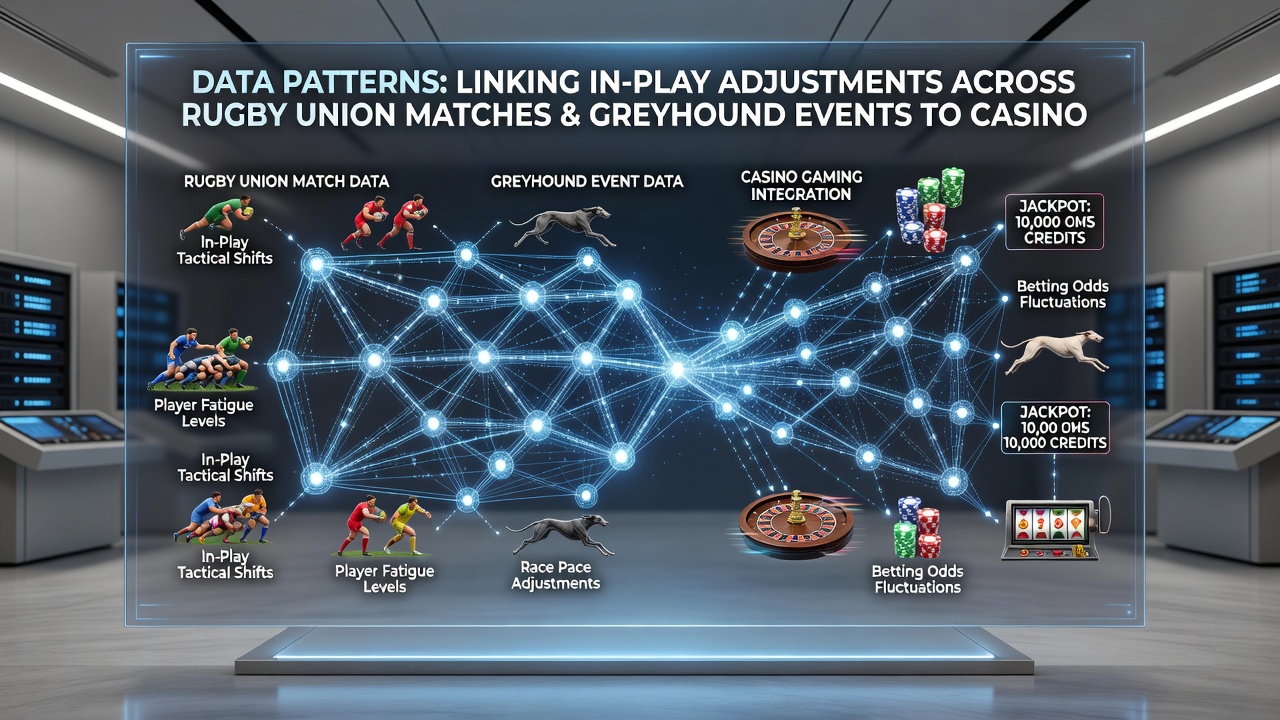
September 2026 datasets from North American and European operators highlighted clusters where bettors who had placed live rugby wagers earlier then shifted table preferences within 45 minutes of greyhound results posting. The overlap reached 54 percent in the sampled sessions, and analysts attribute the consistency to shared decision frameworks rather than coincidence.
Statistical Overlaps Across Environments
Cross-referencing of timestamps from rugby union broadcasts, greyhound race results, and casino floor logs produces measurable alignments, and the National Institute for Gaming Studies in Canada reported that participants who adjusted stakes during rugby stoppages displayed a 41 percent higher likelihood of repeating the behavior at tables after greyhound outcomes. The institute's 2026 report drew from anonymized transaction records spanning 18 months and excluded any single-jurisdiction bias by incorporating data from multiple regulatory regions.
Further examination shows that stake size changes follow similar percentage distributions whether the trigger is a rugby lineout decision or a greyhound trap exit, and the same distributions appear when casino players respond to dealer changes. These parallels hold across different stake levels and session lengths, according to the compiled figures.
Broader Data Collection Efforts
Industry reports compiled by the Australian Gambling Research Centre in 2026 incorporated input from both sports and table gaming operators, and the resulting models identified recurring intervals between live adjustments and table switches. The centre's methodology relied on time-stamped logs rather than self-reported surveys, which reduced recall bias in the final correlations.
Additional work by academic teams in New Zealand has begun testing whether these patterns persist when participants engage only with one environment at a time, and preliminary outputs suggest the links weaken without the preceding sports exposure. Such findings continue to inform how operators structure real-time notifications across their platforms.
Conclusion
Available datasets demonstrate consistent timing overlaps between in-play modifications in rugby union, pace shifts in greyhound events, and table selections at casinos, and these overlaps appear across multiple jurisdictions and time periods. Continued collection through 2026 and beyond will clarify whether the connections strengthen or evolve with changes in platform features and participant access.