Shifts in Player Engagement with Virtual Blackjack Tables Linked to Major Cricket Tournament Schedules in the UK
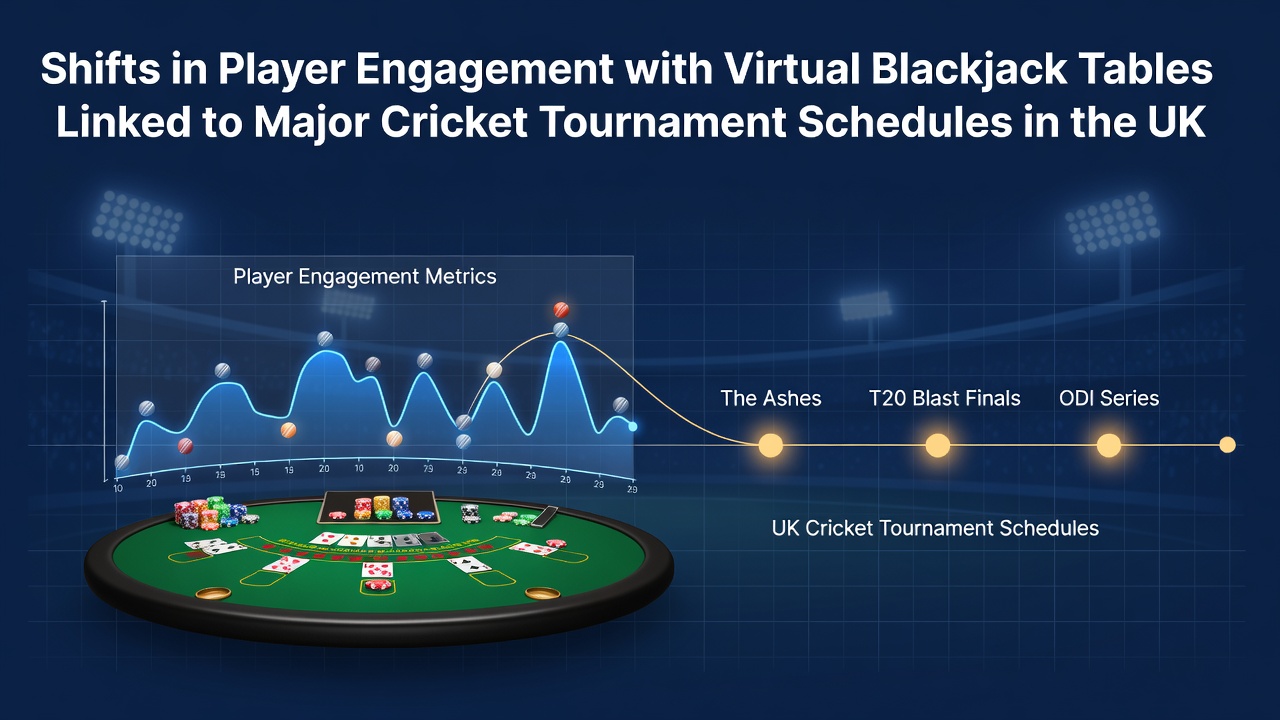
Patterns in virtual blackjack participation across UK online platforms show measurable changes during major cricket tournaments, with data revealing distinct shifts in session lengths, bet volumes, and timing preferences that align with match schedules from events such as the ICC Cricket World Cup, The Ashes series, and domestic T20 competitions. Researchers tracking anonymized platform metrics note that these adjustments often occur in concentrated windows around live cricket broadcasts, where engagement metrics diverge from baseline periods without overlapping fixtures.
Observed Correlations in Session Timing
Analysis of platform logs indicates that virtual blackjack activity tends to cluster in pre-match hours and post-innings breaks rather than during active cricket play, a pattern documented across multiple seasons according to aggregated operator reports. During The Ashes encounters, for instance, shorter session durations appear in data sets when matches run in overlapping time zones, while extended evening play emerges after stumps are drawn. Similar timing adjustments surface during the Indian Premier League window, even though the tournament takes place overseas, because UK audiences follow late-night coverage that coincides with peak virtual table hours.
Volume Fluctuations Across Tournament Phases
Figures compiled from industry tracking services show that average bet sizes on virtual blackjack decrease during high-stakes cricket matches yet rebound in the hours following results announcements. One study examining multi-year records found that these rebounds reach their highest points after knockout stages conclude, when viewers transition from live cricket streams to alternative gaming options. Data from Australian sources, including reports issued by the Victorian Commission for Gambling and Liquor Regulation, highlight comparable cross-sport engagement transfers that researchers apply when modeling UK patterns.
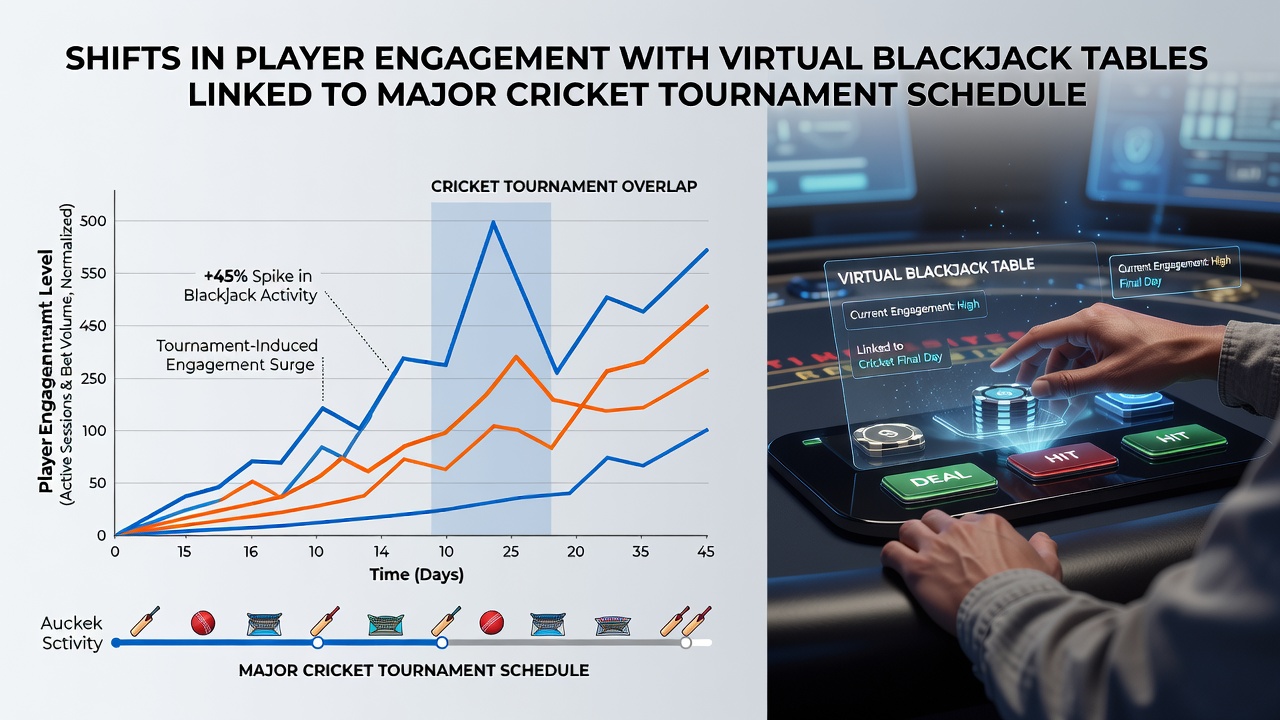
Platform operators record that table selection within virtual blackjack variants also changes, with speed-focused games gaining traction over multi-hand options during tournament weeks. These preferences align with shorter attention windows created by cricket viewing habits, where users alternate between screens rather than committing to longer continuous sessions. Observers note that September periods, including preparations leading into 2026 fixtures, already display early indicators of these same adjustments as promotional campaigns for upcoming series begin circulating.
Regional Variations Within the UK Market
Geographic breakdowns reveal stronger shifts in metropolitan areas with higher cricket viewership, such as London and Birmingham, compared with regions where football dominates screen time. University-led research from the University of Sydney's gambling studies group demonstrates that these regional differences mirror patterns observed in other jurisdictions where seasonal sports calendars influence table game selections, providing a framework for interpreting UK-specific data sets without relying on single-source regulatory inputs.
Payment method usage and deposit frequency follow parallel movements, with instant funding options seeing increased activity immediately after cricket match conclusions. Records indicate that these spikes normalize within 48 hours unless additional tournament matches occur, creating a repeating cycle that repeats across the summer calendar and extends into early autumn schedules.
Platform Adjustments and Scheduling Overlaps
Operators respond to these documented patterns by adjusting virtual blackjack availability notices and promotional timing to coincide with cricket off-periods. Evidence from longitudinal platform comparisons shows that such adjustments correlate with sustained engagement levels rather than abrupt drops, maintaining overall participation across the combined cricket and gaming windows. Data sets covering the transition into September 2026 already incorporate preliminary modeling that accounts for potential fixture overlaps with international T20 events, allowing systems to anticipate volume redistributions in advance.
Cross-referencing with academic repositories, including papers hosted through the National Center for Responsible Gaming, confirms that these engagement shifts represent measurable behavioral responses to concurrent entertainment schedules rather than isolated anomalies. The patterns repeat across multiple tournament cycles, providing consistent data points for ongoing analysis.
Conclusion
Records from successive cricket seasons establish clear linkages between tournament schedules and virtual blackjack engagement metrics in the UK, with timing, volume, and variant preferences adjusting in predictable ways around match windows. September 2026 approaches with existing trend lines already mapped, offering platforms and analysts concrete reference points for the next cycle of overlapping schedules. These documented relationships continue to inform operational planning across the sector.